Your shopping cart is empty
Industrial grease traps
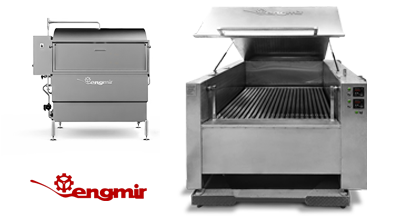
Industrial grease separators can be divided into two categories:
Above-ground.
Underground.
Above-ground - installed in technical and basement rooms, taking into account the convenience of approach or access for maintenance and connected to the industrial sewer network. The industrial grease trap is serviced using a sewage truck. For this purpose, the equipment is equipped with discharge pipes (optional).
Underground - underground grease traps are often installed vertically underground, and only an inspection hatch for maintenance comes out. Depending on the design, volume, sewerage features and other conditions, horizontal installation of underground grease traps is possible.
Industrial grease traps can be mounted both under the pedestrian part and under the roadway. In the latter case, it is necessary to carry out additional work to strengthen the bearing surface.
Industrial grease traps are required to be installed at chemical production facilities (for example, in soap making), food (confectionery, liquor, fish, bakery, meat processing plants, etc.) and cosmetics industries.
Installation of a grease trap is required for large restaurants, cafes and canteens and other catering establishments (or food production facilities). There, grease traps under the sink cannot cope due to the heavy load on them.
Device of industrial grease traps.
The main and only task of an industrial grease trap is to purify wastewater from non-emulsified fats and vegetable oils.
An industrial grease trap effectively prevents clogging of the drainage pipeline and eliminates its premature failure. The operating principle of such grease separators is based on the flotation method (floating of fat and oil particles to the surface) and the sedimentation method (precipitation of heavy impurities). During operation, such a grease trap prevents the occurrence of a foul, unpleasant odor from the system, due to its complete tightness and eliminates the deposition of fats on the sewer system machines, namely, such deposits are the cause of clogging and obstruction of sewer pipes in 70% of cases of breakdown.
Maintenance of the grease trap depends on the degree of contamination of the wastewater. The frequency of maintenance is determined by the consumer during operation. Additionally (upon agreement with the Customer), "Catcher" grease traps can be manufactured equipped with additional warning systems about the need to perform the next maintenance of the cleaning equipment.
It is also optionally possible to install a system for automatic removal of deposits from the grease trap. In most cases, cleaning a grease trap comes down to the following steps: removing large debris from the bottom of the grease trap; removing the fatty layer from the surface of the grease trap. Wastewater treatment equipment.